
Niger School Abduction: 100 Pupils Freed, 165 Still Held by Bandits

Credit:
The Federal Government announced late on Sunday that it has secured the release of 100 schoolchildren kidnapped in the November 23 bandit attack on St. Mary’s Private Catholic Primary and Secondary School in Niger State.
While the development offers a measure of relief, 153 pupils and 12 teachers remain in captivity, underscoring the scale of Nigeria’s worsening security challenges.
The partial rescue follows two weeks of tense negotiations after gunmen stormed the school in Papiri village, Agwara Local Government Area, abducting 303 students and 12 educators in a raid that drew comparisons to the 2014 Chibok schoolgirls tragedy. Initial chaos saw 50 children escape into the bush during the attack, later reuniting with families. Parents recounted harrowing scenes, including two nieces—aged six and 13—snatched, only for locals to alert soldiers when the attackers’ vehicle broke down nearby.
Government sources confirmed the freed children are undergoing medical checks and psychological debriefing at a secure facility before reunions with families. Officials have not disclosed whether the release resulted from ransom payments, military pressure, or diplomatic channels. The Federal Ministry of Education and Niger State Governor Mohammed Umaru Bago’s office have yet to provide details, amid longstanding debates over Nigeria’s official “no-ransom” policy, often contradicted in practice.
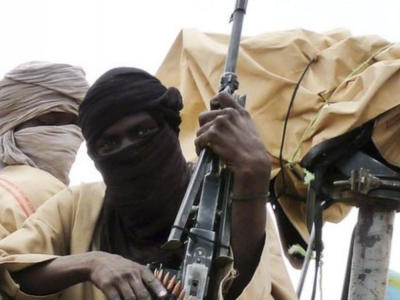
The abduction highlights a grim trend in Nigeria’s northwest and central regions, where bandits exploit porous borders and overstretched security forces to target schools and vulnerable communities. Just days before the Niger raid, 25 girls were abducted in Kebbi State, while churchgoers were kidnapped in Kwara. The November killing of senior army officer General Sani Uba by suspected ISWAP militants in Borno further illustrates the nexus between banditry and jihadist insurgency.
According to SBM Intelligence, over 1,600 abductions have been recorded nationwide in 2025, displacing thousands and eroding public confidence in security agencies. Analysts warn that underfunded intelligence, troop shortages, and the bandits’ reliance on motorcycles for swift raids in forested terrain have left communities exposed.
Governor Bago previously pledged free transport for Niger pupils to ease access to education, but critics question the state’s preparedness for such crises. The Christian Association of Nigeria (CAN) has mobilized faith networks for prayers and advocacy, drawing praise, yet parents interviewed by the BBC voiced desperation: “The young ones are suffering; we heard cries echoing from the hills.”
Federal Information Minister Mohammed Idris hailed the release as “a testament to tireless efforts” by security agencies, though specifics remain opaque. Rights groups such as Amnesty International have urged transparency, warning that secrecy around ransom payments perpetuates cycles of violence.
For Papiri’s traumatized community, the release of 100 children offers partial relief but little closure. With 165 captives still held, the question remains whether this breakthrough marks the beginning of full freedom—or merely prolongs the nightmare.







0 Comment(s)