
Trump Expands U.S. Entry Restrictions to 36 Countries, Including Partial Ban on Nigeria
Credit:
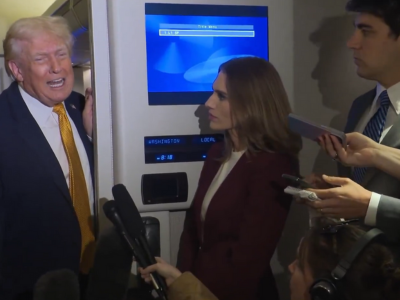
President Donald Trump has signed a sweeping proclamation expanding U.S. travel and immigration restrictions to nationals from 36 countries, adding 19 new nations to an existing list.
The order cites deficiencies in vetting and information-sharing, high visa overstay rates, terrorism risks, and refusal to repatriate citizens as key justifications.
The measure builds on Proclamation 10949 issued in June 2025, which suspended entry from 12 high-risk countries: Afghanistan, Burma, Chad, Republic of the Congo, Equatorial Guinea, Eritrea, Haiti, Iran, Libya, Somalia, Sudan, and Yemen.
Expanded Restrictions
- Full new bans: Burkina Faso, Mali, Niger, South Sudan, Syria.
- Full ban on individuals with Palestinian Authority-issued travel documents.
- Full bans extended: Laos and Sierra Leone (previously partial).
- Partial restrictions (immigrant visas and nonimmigrant B-1/B-2 tourist, F/M student, J exchange visas): Nigeria, Angola, Antigua and Barbuda, Benin, Burundi, Côte d’Ivoire, Cuba, Dominica, Gabon, Gambia, Malawi, Mauritania, Senegal, Tanzania, Togo, Tonga, Venezuela, Zambia, and Zimbabwe.
Turkmenistan saw nonimmigrant visa bans lifted after what the White House described as “significant progress” in identity management, though immigrant entry remains suspended.
Exceptions and Waivers
Lawful permanent residents, existing visa holders, diplomats, athletes, and national-interest cases are exempt. Family-based immigrant carve-outs have been narrowed to reduce fraud risks, but case-by-case waivers remain available.
Rationale
- Terrorism and extremism threats (e.g., Boko Haram/IS in Nigeria, jihadist activity in the Sahel).
- High visa overstay rates (Nigeria: 5.56% for B-1/B-2, 11.90% for F/M/J categories).
- Refusal to accept deportees or share identity data.
- Weak civil registries and unreliable passports.
- Citizenship-by-investment schemes that bypass vetting.
The White House framed the move as “common-sense, data-based restrictions” designed to protect Americans and encourage cooperation, echoing Trump’s first-term bans that were upheld by the Supreme Court.
Implications
The expanded restrictions risk diplomatic backlash from allies such as Nigeria, where partial bans could affect tourism, education, and business travel. The American establishment argues the policy strengthens border security and pressures foreign governments to improve compliance with U.S. standards.










0 Comment(s)