
U.S. Rep. Riley Moore Highlights Alleged ISWAP Threats Against Nigerian Christians Amid Ongoing Violence
Credit:
U.S. Representative Riley M. Moore (R-WV) has drawn attention to recent reports of threats from the Islamic State West Africa Province (ISWAP) against Christians in Nigeria, declaring that such evidence “ends the debate” over whether violence is faith-driven.
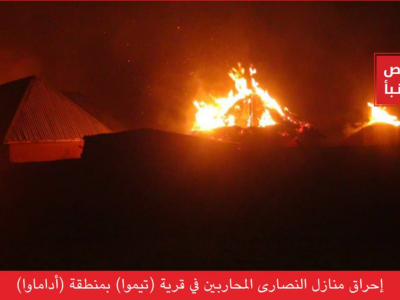
Moore posted on X Thursday: “This isn’t about land usage, ‘climate change,’ or any other argument the Left wants to make. This is persecution of our brothers and sisters for their faith in Christ, plain and simple.” He referenced viral claims published by OSINT @BrantPhilip_ that ISWAP released images of a burning Christian village in Adamawa State, accompanied by a statement declaring all Nigerian Christians “legitimate targets” unless they convert to Islam or pay the jizyah tax.
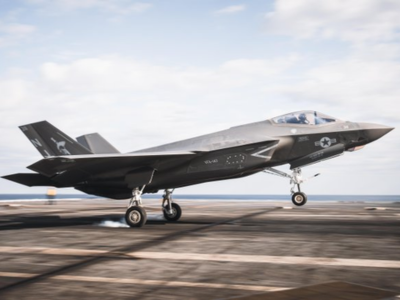
His remarks follow U.S. airstrikes on ISIS targets in northwest Nigeria and President Trump’s emphasis on protecting Christian communities there.
Context: Threats Against Christians
Nigeria has faced religiously motivated violence for over a decade, particularly in the northeast where Boko Haram and its splinter group ISWAP have waged insurgency since 2009. ISWAP, affiliated with the Islamic State, has explicitly targeted Christians through attacks including the Christmas 2025 attacks in Borno and Adamawa, a November 2025 school abduction in Niger State targeting Christian pupils, burning churches and homes, and killings.
These groups often frame attacks as jihad, forcing conversions or tribute under threat of death—echoing the alleged Adamawa ultimatum. In 2025, the U.S. State Department designated Nigeria a “Country of Particular Concern” for religious freedom violations.
Herder Clashes and Broader Dynamics
In Nigeria’s Middle Belt (Plateau, Benue, etc.), farmer-herder conflicts—often between Muslim Fulani herdsmen and Christian farming communities—have killed thousands annually.
- Root causes include climate-induced desertification, land scarcity, and weak governance.
- Experts like the International Crisis Group argue many clashes stem from competition over grazing and water, exacerbated by climate change reducing arable land by 20% in northern Nigeria since 2000.
Critics such as Moore reject these non-religious explanations, calling them “Left” excuses, while others argue ignoring faith elements overlooks clear patterns of selective targeting.
U.S.– Nigeria Cooperation
Nigeria’s government maintains that violence affects all faiths and is being addressed through military operations and dialogue. Meanwhile, Trump’s administration has expanded support:
- Airstrikes on ISIS targets in Sokoto
- A $5.1 billion health and security MOU
Moore praised these efforts: “Thankfully, @POTUS is continuing to work… to stop these Islamic radicals and defend our brothers and sisters in Christ.”
The alleged ISWAP threats—possibly retaliatory after U.S. strikes—underscore the escalating risks amid Nigeria’s multi-faceted insecurity.



0 Comment(s)