
Maduro Signals Openness to US Dialogue on Drugs, Oil, and Migration Amid Escalating Tensions
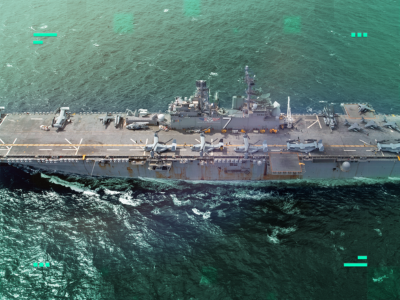
Credit:
Venezuelan President Nicolás Maduro has expressed readiness for direct talks with the United States on drug trafficking, oil trade, and migration, declaring he is open to dialogue “wherever they want and whenever they want.”
The statement, made during a state television interview on Thursday, is seen as a potential signal of de-escalation after weeks of heightened pressure from the Trump administration.
Maduro carefully avoided confirming U.S. claims of a December strike on a Venezuelan dock area allegedly linked to narcotics smuggling boats—described by President Trump as causing a “major explosion.” Maduro responded ambiguously: “This could be something we talk about in a few days,” leaving room for future discussion while sidestepping direct confrontation.
Escalating US Actions
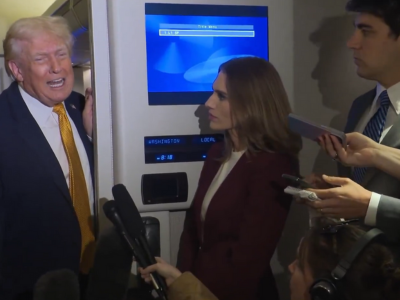
Since September 2025, U.S. forces have conducted more than 30 strikes on vessels in the Caribbean and eastern Pacific suspected of smuggling narcotics, resulting in over 110 deaths. The latest operation Wednesday reportedly killed five. Trump has framed these actions as part of his “war on drugs,” targeting fentanyl and cocaine routes, while accusing Maduro of cartel leadership and facilitating migration by “emptying prisons and insane asylums.”
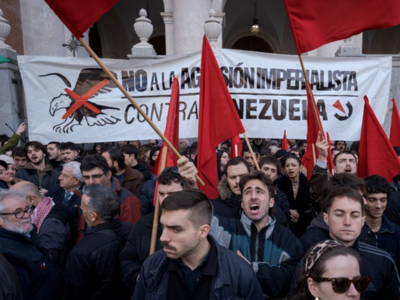
Maduro vehemently denied the allegations, accusing Washington of using the drug war as a pretext to seize Venezuela’s vast oil reserves—the world’s largest proven deposits at over 300 billion barrels. Independent experts, including the UN Office on Drugs and Crime (UNODC), describe Venezuela as primarily a transit hub, with Colombia remaining the dominant cocaine producer (over 90% of global supply per 2025 UNODC reports).
Recent U.S. actions have included seizing sanctioned oil tankers entering or leaving Venezuelan ports—denounced by Caracas as “international piracy”—and reported CIA drone operations inside Venezuela, marking an escalation beyond maritime interdictions.
Venezuela’s Crisis and Isolation
Maduro’s overture comes amid Venezuela’s severe economic crisis:
- Hyperinflation peaked at millions of percent in 2018–2019, moderated but still persistent.
- U.S. sanctions since 2017 have crippled oil exports, falling from 3 million bpd pre-crisis to under 800,000.
- The collapse has driven ~8 million migrants since 2013, many crossing the treacherous Darién Gap toward the U.S.
Traditional allies Russia and China have offered limited relief, while regional ties have strained. Analysts suggest Maduro’s flexibility may reflect pragmatism amid growing isolation.
Prospects for Dialogue
Trump’s administration has doubled Maduro’s capture reward and floated designating Venezuela a Foreign Terrorist Organization candidate, underscoring hardline pressure. No immediate White House response followed Maduro’s remarks, and prospects remain uncertain given mutual distrust and the history of failed talks, including the 2019 Oslo and Barbados mediation collapse.
Informed observers see potential for a thaw if talks focus narrowly on migration and oil, but entrenched disputes over sanctions and recognition remain unresolved.

0 Comment(s)