
Canada Issues Stark Travel Warning for Nigeria, 16 Other African Nations
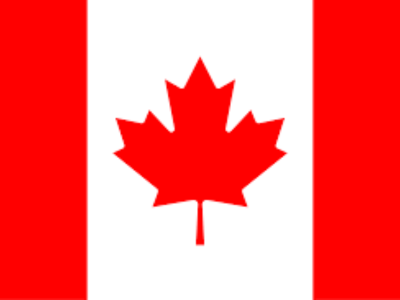
Credit:
The Government of Canada has placed Nigeria and 16 other African countries on its highest-risk travel advisory list, urging citizens to avoid all non-essential travel to Nigeria—including the federal capital Abuja—and to avoid all travel entirely to eight others, citing terrorism, kidnapping, armed banditry, and political instability.
The updated advisory, released Tuesday, categorizes Nigeria as a destination where Canadians should “avoid non-essential travel” due to an “unpredictable security environment.” Only Lagos and Calabar are singled out as exceptions, where travellers are advised to exercise a high degree of caution rather than avoid the cities outright.
Canada’s “avoid all travel” designation—the most severe—was applied to South Sudan, Burkina Faso, Central African Republic, Libya, Mali, Niger, Somalia, and Sudan. An additional eight nations, including Ethiopia, Democratic Republic of Congo, and Tanzania, joined Nigeria on the “avoid non-essential travel” tier.
The advisory highlights escalating threats across Nigeria:
- Northern and north-central states such as Kaduna, Kano, Katsina, Sokoto, Zamfara, Plateau, Niger, and Kogi, along with most northeastern states, face persistent terrorist attacks, banditry, and communal clashes.
- The Niger Delta region—including Abia, Akwa Ibom, Anambra, Bayelsa, Delta, Enugu, Imo, and Rivers—remains volatile due to militancy, oil-related crime, and kidnapping.
- Even Abuja is no longer considered safe for routine travel, while Port Harcourt is flagged for heightened caution.
Canadian officials described a continent-wide surge in extremist networks, military coups, cross-border crime, and fragile governance as the driving factors behind the sweeping downgrade—the most extensive Africa-focused update in recent years. Citizens currently in affected areas were urged to limit movements, stay alert, monitor local media, and register with the Registration of Canadians Abroad service for emergency assistance.
Nigeria’s Ministry of Foreign Affairs has not yet responded publicly to the advisory, which follows similar warnings from the United States and United Kingdom tightening travel guidance for large parts of the country.









0 Comment(s)